Lately I’ve been reading Wendell Berry, trying to figure out why he is so beloved and to gain a greater understanding of his views of the world. It’s his fiction that I’ve enjoyed. His stories about Port William are a reminder of the Avonlea and Mitford I long for. These stories are written in the past. A time when people knew their neighbors and helped them. A time when travel was hard and you stayed close to home. A time when you expected to live out the same kind of life as your forefathers before you. (And yes, I’m aware that this was the case for a specific set of people, which is why I appreciate progress. I also believe in highlighting what has been lost.)
Vocare

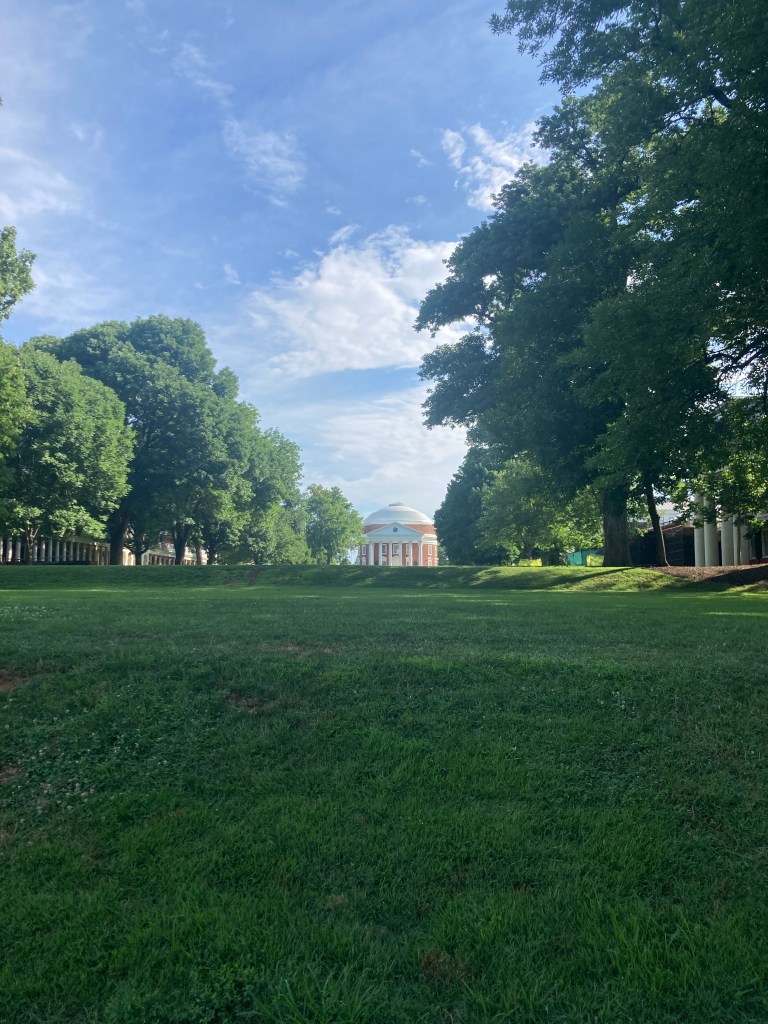
Thinking about Berry, Port William, and my own longing for Mitford brought me back to a conversation with an old beloved friend of mine, Bill. I remember asking him about how he came to Charlottesville and why he stayed. I was asking about his progression to Director of the Study Center I loved. He said he felt called to Charlottesville.
That was the first time it ever occurred to me that someone could be called to somewhere.
(I don’t mean missionaries that long to preach the gospel in China or Indonesia. I mean regular people like you and I.)
Vocation calls from the word vocare, which means to call. A calling, as I’ve heard it, is to a job or a mission of some kind. But what if it was a call to place? I didn’t think much of Bill’s comment at the time. I much preferred to figure out how he made important decisions (as we all know, I’m very indecisive), but as I read Wendell Berry’s Fidelity, I realized that many of the characters felt called to stay where they were. A calling to place.
As I wrote over a year ago now, I’ve often longed for a place to rest my head. To stay awhile. To not always be thinking about the next time leaving. Even though I’ve been in New York over a year and will probably be here another, I almost never think about staying. It’s not where I see myself laying down roots. I’m not sure I have a destination in mind. But the calling to be rooted has remained the same.
I guess I’m wondering if you have that sense of calling, to be somewhere—not because of obligation or duty or it’s the situation you’ve inherited, but because you’re called.
Feeling called
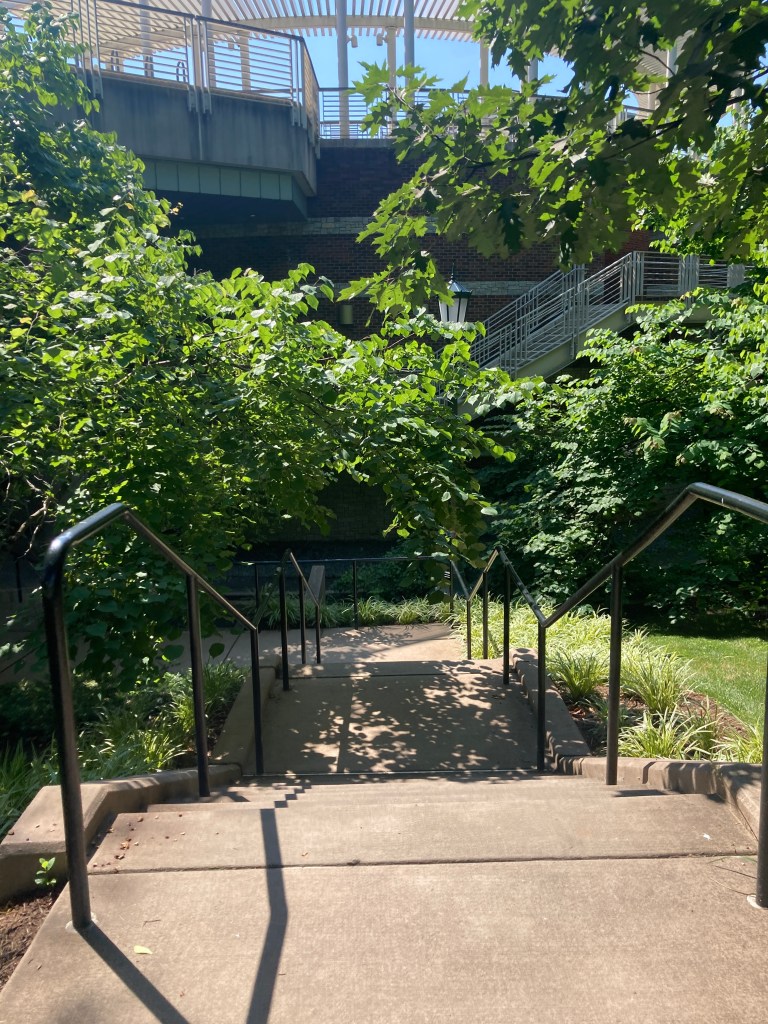
What pulls us towards a place and why?
For my friend Bill, I think it was that Charlottesville was the place where he could most effectively do the work that lit up his soul, but before he could commit to the job, he had to commit to the place.
A few months ago, I was praying about moving. Job hunting yielded nothing. It was a planting season with zero things to harvest. But as I was praying, I felt I was called to stay here. Which is frustrating because I’ve been writing in so many of my posts how I don’t want to stay in New York. I long for greenery and more spaces to roam. I don’t want to bump into people all the time. I want a green space oasis. And this city which has been my home for as long as I can remember is where I’m called. At least I think for the next year.
We don’t get to choose where we’re called. Most of us go where the jobs go. If we’re lucky, we choose and the job follows. Maybe it’s where family is located. Or maybe you and your friends have congregated in a town that you love. For a few of us, we will be called to places we wouldn’t choose. The timeline isn’t ours to decide. We just know that we’re meant to stay a little longer in a place we didn’t choose.
How to live in that place

The question becomes how we will live in the places that have been chosen for us?
A calling is usually not something we bring out of ourselves, but comes from outside of ourselves. There’s a sense that this is right even when our brains are screaming at us that this isn’t right. It’s an internal settledness despite the external chaos of our minds and our circumstances. The thing about a call to a place is that we often don’t know why we’re called there. Maybe we won’t ever know the details.
The key is to remain. Despite the discomfort, the questions, and the fear. To remain and know that we’re being faithful to the call. When people ask why are you staying where you have no friends or why are you staying where there aren’t a lot of new jobs or why are you staying in your hometown, you might not have an answer. But within yourself, you know this is the right thing, even if you don’t know why.
A call to place isn’t as easy as Avonlea and Mitford make it seem, but Berry does a great job explaining the difficulties through the citizens of Port William. After reading Hannah Coulter, I was amazed at how clearly the differences of how each generation lived was portrayed. The older generations lived their lives working on their land and caring for their neighbors. The newer generation valued education (which is great) but ultimately removed them from their family ties and the land that was farmed for generations. The older generation saw little of the world but had community. The newer generation moved about the world with ease but were disconnected from the older generation of family and among themselves.
You don’t have to be called to a place, but it’s something to ponder. You could even challenge yourself to be like those living in a monastery with a vow of stability: just stay in your place of residence for 6 months. Whether it’s a city or small town, explore it. Get to know it well. Try to remain and see what rises in you when you do.
I want to start this challenge after my family vacation. I’m pretty lucky in that New York City has a lot to explore, and I’ll be sharing that with you all!
Thanks for reading!
Signing off,
Gigi
Any place you feel or felt called to? Tell me that story down below!

 Studying Life with Gigi
One thought on “Vocare, a call to place”