Hello friends! Hope the fall weather hasn’t been too chilly for you! As for me, I’ve been working hard as a reporter in New York City. It’s often been a challenge but it’s also been a great way to learn about a million different subjects and get a taste of what every industry has to offer.
I know that most people reading this won’t be interested in becoming journalists (honestly, I question that for myself most days), but maybe you’ll learn something interesting from this journalism guide.
I titled this a journalist’s guide to life because even when you’re not “working,” you’re still working. I struggle with that side of the industry. You never quite leave your journalist looking-for-stories brain behind.
Here are some tips, ideas, and musings from my experience as a new journalist in New York City.
Don’t self-reject
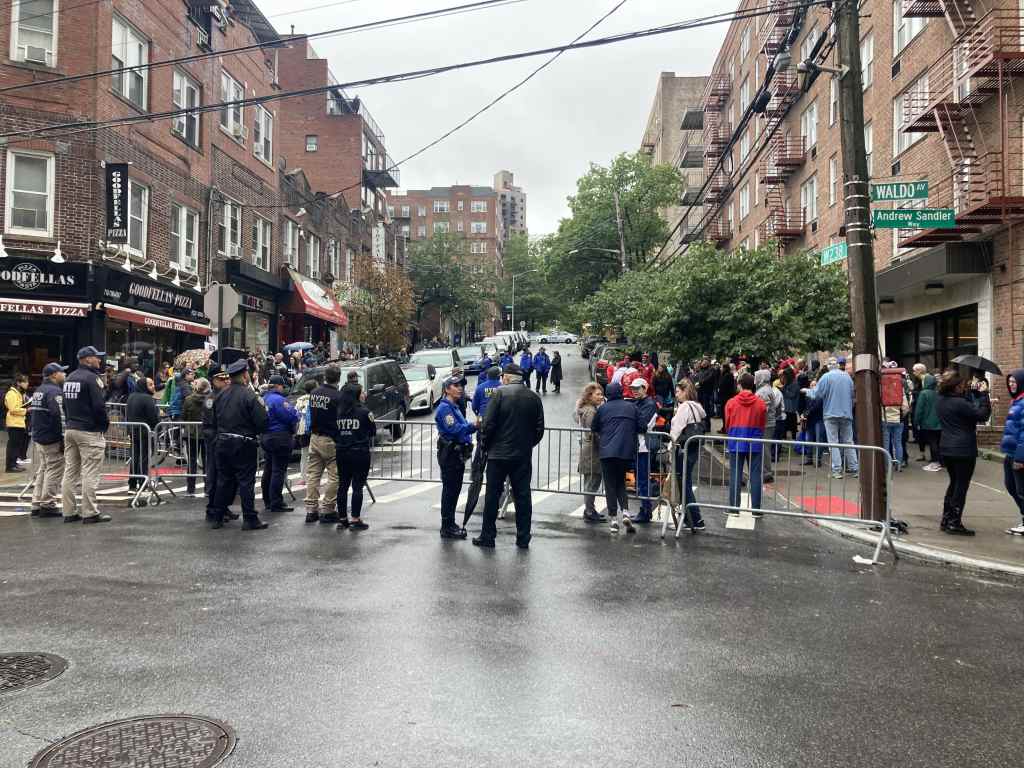
Journalism taught about rejection. If I thought the job market was brutal, people in person can be brutal too. (I still think the job market is WAY worse). The point being is don’t tell yourself no. Let other people tell you no. I have regretted it every single time I didn’t go up to someone because I was afraid they’d reject me. But every single time I’ve gone up to someone, I’ve at least given myself greater confidence because I know how to put myself out there.
Question everything
If you’re a doubter, journalism is for you. Question the facts. You should always be questioning the narrative that’s been presented. Look for the evidence. Don’t just go along with what a source says but ask for evidence. When someone tells you they love you, that’s great. But what’s even better? All the ways they show you they love you. The concept is the same in journalism. The evidence is our bread and butter.
Related Post: grad school day in my life
It’s not about good planning

One of my major frustrations with journalism is that it’s just not a good personality fit for someone like me who loves to plan. I’ve made so many plans. I’m going to talk to this person or I’m going to research this thing, and often stories can quickly fall apart. People don’t respond to you or the angle you were pursuing doesn’t have any documentation. What makes a good journalist is not good planning, but how you respond when your plan falls apart. Do you know how to pivot? Are you able to go with the flow? This is probably my weakest trait, alongside trying to find story ideas.
Don’t get pigeonholed in a story
When pitching, you usually have some elements of a story: an idea, some people you want to talk to, and the direction you want to head in with that story. In reality, sometimes you meet people and start talking with them and your idea falls apart. For example, I was interviewing someone about their church’s food ministry that had ended and they just didn’t have much information on it because it had ended.
At the moment, I was sad that I didn’t get the information I came for. But they had said so much about their church and its history that it opened me up for a new story. Luckily, my editor pivoted me to pursue a story on the church itself, which ended up being my feature story. The point being—you’re never too sure of your story until you’re almost done writing it.
Related Post: how to save money as a grad student
Seek clarity
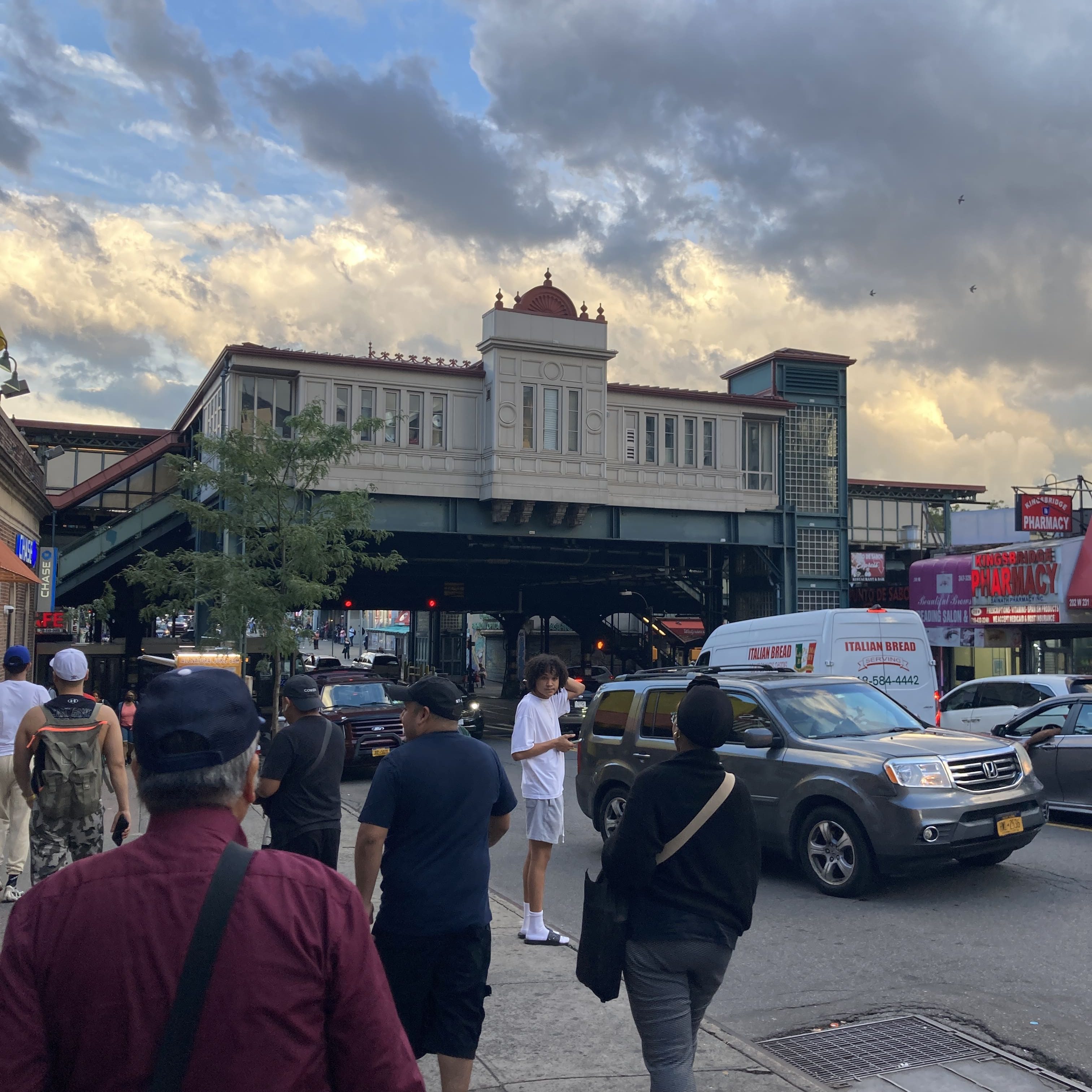
Most of the time in my reporting I’ve been learning about things that I don’t know 100% inside and out. And even if I do, there are always more angles I’ve never considered. So for the sake of my reader, I always need to be asking the question: is this clear to me? If I have a question, it’s very likely my reader will have the same question.
The hard part about clarity is that it can be difficult to remember what you have missed out on unless you’re writing things down. Most of the time I don’t. I record everything via voice recorder because I want things to feel as normal as possible. But this shows up most when you’re writing. Your gaps of knowledge will be so dang evident in your writing. So get that contact information so you can ask those questions later on.
Your best sources do your work for you
Once you’ve met a lot of people and become known as a reporter in your area of expertise, certain people who are also pretty prominent can be very good resources in helping you find your next story. Your sources are going to be in places you might not be, hearing things you wouldn’t have access to, but they will be able to connect you to other people, and that’s the key to building your next story. If you know how to work your sources, it will be the key when stories fall apart.
Journalism school has been an intense ride. I’m in the second half of the semester with 4 different courses for this half, and it’s been an overwhelming experience. Part of me can’t wait until it’s over and part of it loves the people I’ve gotten to meet and how many new things I’ve learned. I don’t know if I will be a journalist when I graduate (sorry mom and dad!) but I do think the skills I’ve learned in jschool are so valuable and useful and hopefully transferable. Fingers crossed I have a good job by the time I graduate!
Signing off,
Gigi

 Studying Life with Gigi
I’ve always been so curious about the journalism industry! Thank you so much for sharing your insight, these are great takeaways and tips ❤️ Ooof, that don’t self reject point really spoke to me, definitely something I need to work on personally.
Praying that you’ll continue to have a great experience in journalism school n that it’ll sharpen your skills even more! 🥰
LikeLike
Thank you so much! I’m glad you enjoyed such a niche post.
Journalism school is definitely not for the faint of heart, but it’s been a journey that’s given me great skills!
LikeLike